
As someone who lives in Florida, bass fishing is one of the many targeted fish here. Fishing in Florida is unique and different from anywhere else in the United States. In South Florida, there are some many more exotic species.
This helps the largemouth bass and hurts the species as a whole. They have more prey but less space and more competition. Florida Strain Bass are very aggressive and grow enormously here in the state of Florida. The Florida state record is 17.27lbs.
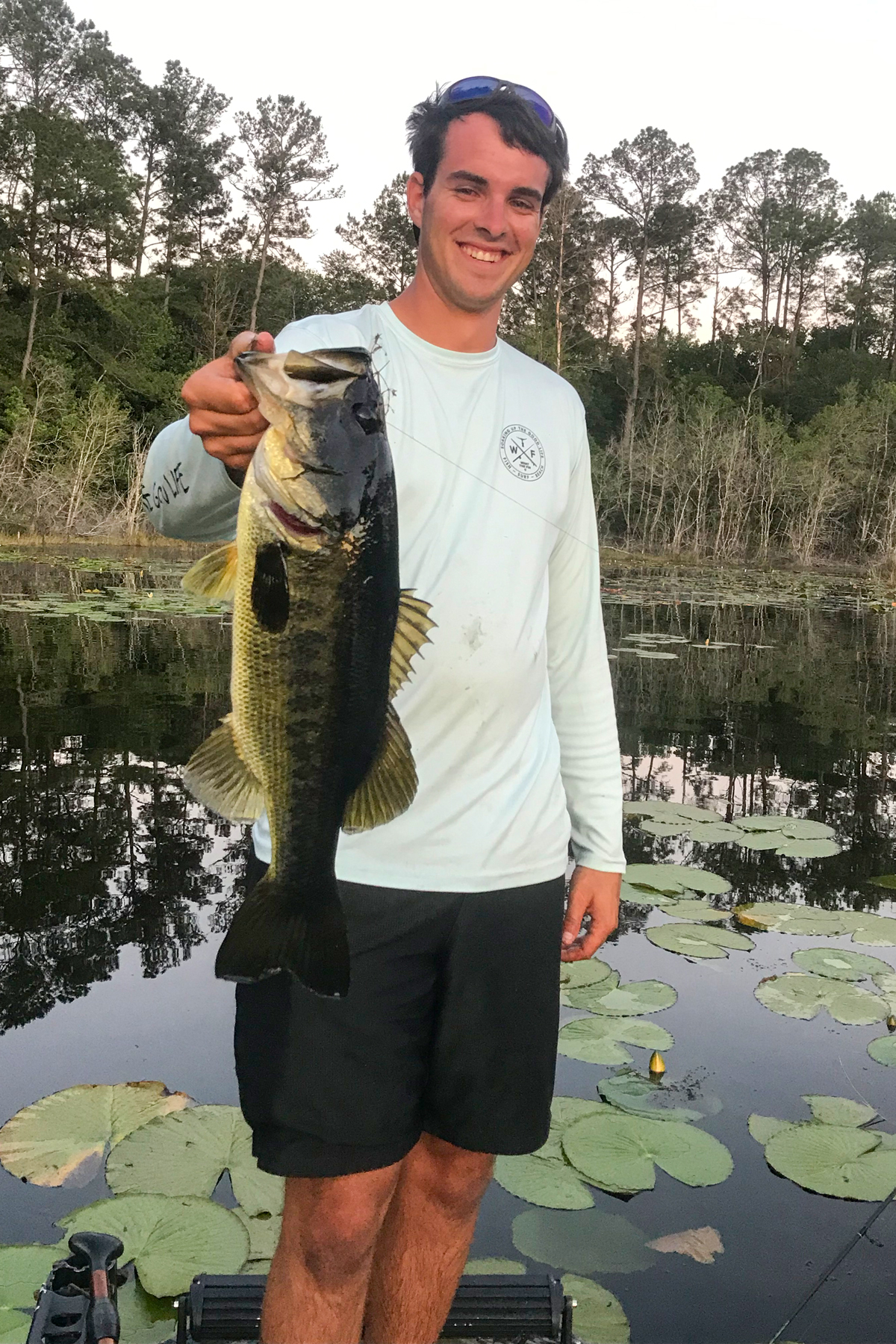
In this post, I am going to talk about the Best Bass Lures that work in ponds, lakes, and even rivers. I will tell you everything that you must have in your tackle box for a day of bass fishing. Fishing for Largemouth bass can be as complicated as you make it. In my opinion, I like to keep things basic. These lures that I list below are the lures that are a must-have in your tackle box. I like to cover all parts of the water column.
Largemouth Bass Basics:
One of the hardest things is to find a place to go fishing. If you are looking for a place to fish, I highly recommend using Google Earth. Google Earth will show you all the water in your area, and you can go to the historical setting and look at the body of water over time. Oftentimes, throughout the historical setting, there will be drawdowns, and you will be able to see the structure or drop-offs.
Let’s go over some basics when it comes to largemouth bass fishing. The first thing that an angler must find is some sort of structure. Bass love to hang out in a structure. They use it for protection, and they use it to hunt for prey.
This can be docks, underwater grass, trees, rocks, everything that is in the water that is not a part of the sand or mud. When fishing in small ponds, I look for deep water in the summer. In the winter, a shallow place where the bass can lie to get warm.
Match the hatch, you want to throw a bait that will match the forage of the body of water that you are located in. Now in North Florida ponds, rivers, and lakes, there are either shiners, crawfish, shad, bluegill, crappie, and tilapia. Other places in the United States usually have the same forage.
Many of the rocky rivers throughout the United States tend to have more crayfish and even trout. Trout patterns are a great color to pick when bass fishing in those waters.
In your area, learn how the local weather affects the fish. Everywhere in the US is different. As the angler, try to figure out what the bass are doing during certain weather patterns.
As a general rule of thumb, if it is overcast, I like to throw moving baits such as crank baits, jerk baits, and topwater lures. Wind can be helpful, throwing faster-moving baits, it can stir up the water and the food chain. On a sunny and still day, I will throw a Texas rig, wacky rig, or flipping baits.
Water Temperature is very important because they can vary extremely in the same body of water. Temperature regulates the feeding and activity level of a bass. In warm water, I throw faster and more aggressive baits. In cold water, throw slower and subtler baits.
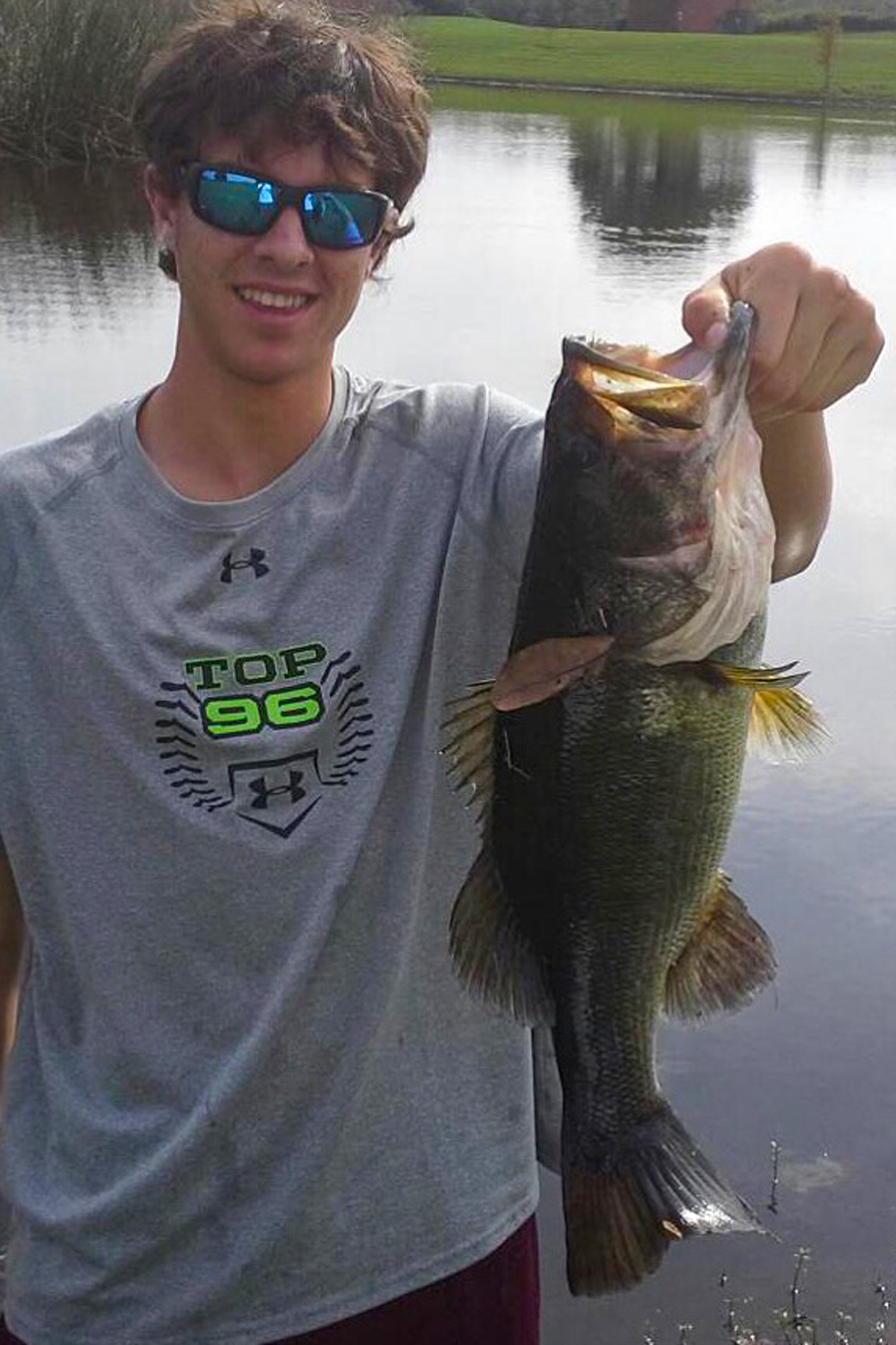
Soft Plastic Lures:
I am going to go over the best soft plastic baits for bass fishing. At a young age, getting into bass fishing was somewhat difficult until I learned about the wacky rig. There are many different soft plastics on the market today. They come in a variety of colors. I am going to go over my favorites. I like to keep things simple. Here are my go-to soft plastics.
Wacky Style:
The wacky rig is the best thing for a beginner. They are super easy to use, very effective, and simple to set up. I look to see if the water I am fishing is clear or dirty. Now, going back to our Basics section, “Match the Hatch,” we want to pick the color soft plastic worm that resembles the prey in that body of water.
Most ponds have bluegill, so that is a safe forage to pick. A great color for bluegill would be watermelon red or green pumpkin. For clear water, I like to throw a watermelon red or plum color with red or green flake. For muddy water, I like to throw a black or blue with a shiny flake.
What I have noticed that in Florida, where I fish, you cannot go wrong with watermelon red in ponds and lakes, for that matter. For my wacky rig, I will throw a Senko or Yum Dinger on a small wacky hook with a weed guard.
When bass are pressured, this bait is a great option. Wacky rigs are great, usually result in numbers rather than big bass. A wacky rig is a great spawn lure and can be used at any time of the year.
When throwing a wacky rig, I like to use a spinning rod because it seems to cast better. My go-to is a 7’4 Medium Light Toadfish rod, paired with a 2500 Shimano Stradic.
Texas Rig:
The Texas Rig is another way I fish my worms; this works, weighted or weightless. If I am fishing deep water drop-offs, I love the weighted Texas rig. I like to use finesse worms as my worm. It has more action as it sinks through the water column.
With that, I will pair it with a 3.0 EWG worm hook. I really like to throw this around docks and brush piles in deep water. The only difference with it being weighted is that you have a bullet weight before the hook.
Fluke:
Zoom Salty Super Fluke, this bait is fantastic. This is a great option if you are fishing near and around grass. They have a fantastic walking action and are perfect for pulling them through the grass slowly or walking a grass edge.
Since the bait is rigged weedless, you can fish in heavy cover without the worry of getting hung. Flukes can be fished in open water when bass are eating shad. They are very versatile and can be used for a variety of different styles.
If you are looking for a somewhat finesse style bait during the spawn, this is your go-to. I like to pair this with a 3/0 EWG Worm Hook and throw it weedless. Flukes can be used any time of the year and in heavy cover.
I recommend using flukes in shallow water. They sink slowly and are perfect for shallow water grass mats and weed beds. I have caught some of my big bass on the fluke in tall grass. It is a great bait for all times of the year.
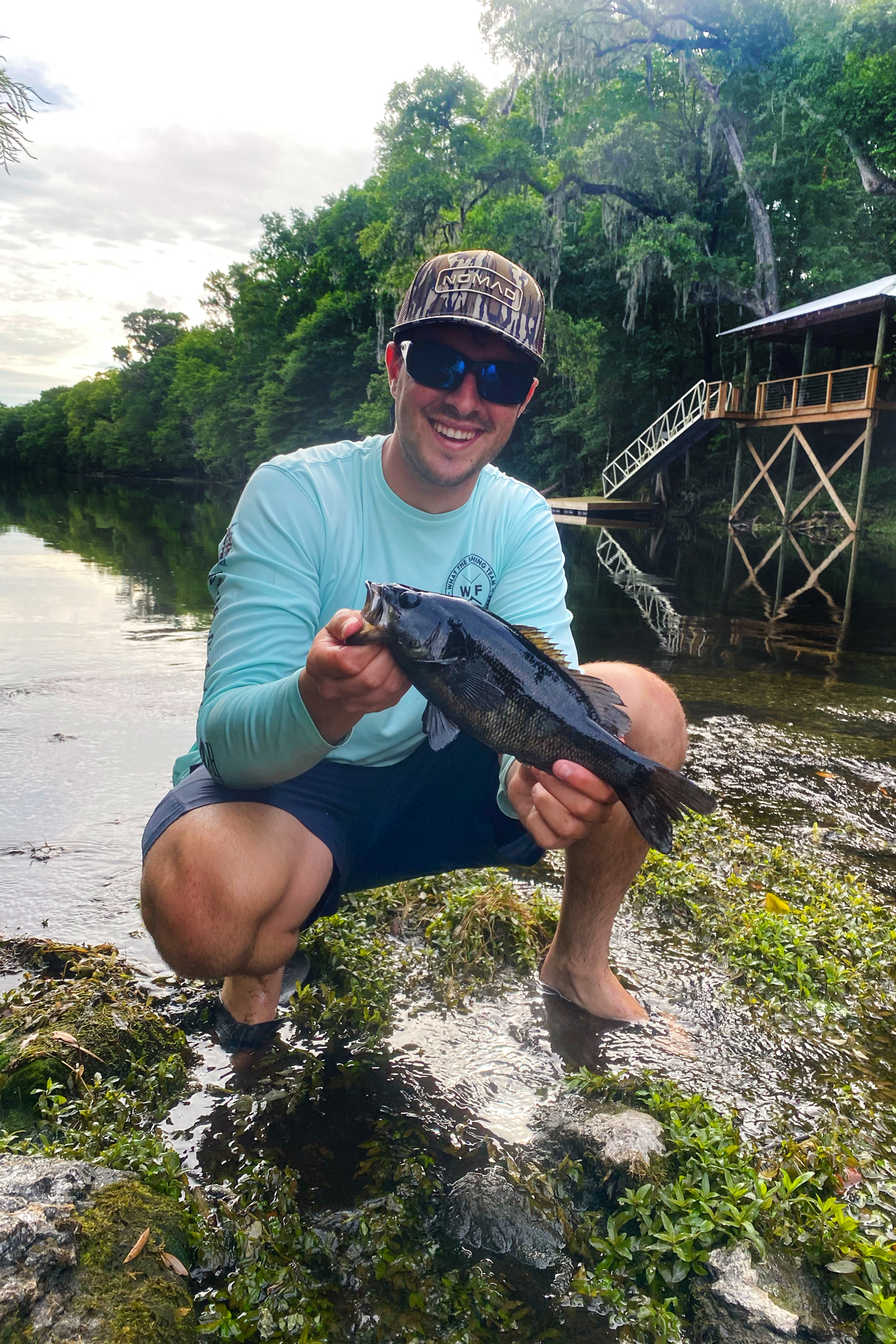
Craw
Now, in the state of Florida, one of the most popular ways to fish for big bass is what people down here call “flippin.” But what it means is taking a heavy rod with 60lb braid with a flipping hook with a tungsten head and punching through those thick glass mats and heavy cover.
Flipping happens mostly in the summertime. Bass will lie under the grass mats. You want to use a heavy rod; I recommend the Abu Garcia Vengeance. This rod is a 7’6 and has a ton of backbone, allowing you to pull those big fish out of heavy cover. You will want a powerful reel that will help you catch those fish. Once you have that, it is important to know the setup.
Run the 60lb braid to your hook. On your line, you will want 1-2 bobber stoppers and then a tungsten lead. The bobber stopper helps the lead punch through the grass. You might have to use a heavy tungsten to allow the bait to punch through the grass. Picking out a craw can be difficult.
For muddy water, I prefer using a black or blue-colored craw. And in your more tannic water, I recommend a watermelon red and green pumpkin. Flipping can result in bigger fish; however, there have been many days of only getting a few bites.
Hard Baits:
Like soft plastics, there are many different hard baits on the market, and I am going to break them into a few categories.
Topwater Lures:
Topwater fishing can be the most exciting way to fish for Largemouth Bass. You can cover a lot of water, and the explosions are epic. Time of year and weather conditions are the two most important factors. The late spring to early fall is the best time of year to throw topwater baits.
The water is hot, the fish are active, and they will be more willing to feed on the surface. The best time to throw topwaters is in the morning or evening. Weather Conditions are important for picking out the topwater lure.
If the water is choppy, you will want to use a bait that is loud so the fish can find it. My favorite lures are the Chug-Bug and a popping frog.
For calm conditions, I like to use a Yozuri or a Topwater frog. The hard topwaters are great for open water, but not good for heavy cover due to treble hooks. When setting the hook using treble hooks, it’s important to note that you do not have to set the hook hard. Topwater frogs are the best topwaters for throwing in heavy cover. They are weedless and have quality hooks on them.
When topwater bass fishing, I like to use a long rod, 7′-7’6 with a fast reel. When I am throwing a topwater frog, I will run straight 60lb braid.
Jerk Baits:
Jerk Baits are a great bait for the winter months. As the water begins to cool, largemouth bass and other fish start to slow down. Their metabolism slows, and they feed less and less, depending on the water temperature. Jerk Baits are a great option for cold, windy days and cold fronts.
In the fall and spring time, shad begin to school and ball up, and a jerk bait is a great option. When not fishing bait balls, jerk baits are great for fishing open water and rocky areas.
Most of the patterns resemble shad and other prey. My favorite jerk bait is a Lucky Craft. They come in many different colors, but my favorite is white. You can throw a jerk bait on a spinning reel if you’d like, but if you are looking for a setup, I would throw a 6’6 to 7′ medium fast tip pair with a baitcaster.
Crank Baits:
Crank Baits are my favorite moving baits. They are a great way to cover water and find the fish. They work great for ponds. When I started pond fishing, the KVD 1.5 squarebill crankbait was my go-to bait. Crank baits come in a variety of different colors and sizes. The most important thing is to know how a crankbait can help you in certain conditions.
If you are fishing shallow water, a squarebill can be perfect. 1.5 squarebill crank baits usually run 1-3ft deep. While the 2.5 usually runs 4-6 ft deep. Crank baits are great for fishing rocky shorelines. They come in a variety of different colors and are some of the best lures that you can have starting out.
The lipless crankbait is another great lure to have in your tackle box. The lipless crankbait sinks more than a squarebill and has great action. One of the pros is that you can take long casts, and the crankbait will cover many parts of the water column.
Crankbaits are great for windy conditions and throwing against rocky points. Their fast action vibrates hard through the water and helps the largemouth bass find it. When fishing with a crankbait, I like to use Monofilament; the stretch allows the treble hooks to stay in the fish’s mouth, while braid can rip through. If you want to learn more about monofilament, check out my post “Fluorocarbon vs Monofilament.”
Closing:
Largemouth Bass are some of the most sought-after fish in North America. There are numerous ways to catch them. Above are, in my opinion, the best lures to throw. They are in 49 of the 50 states. If you are a new angler, try these lures out the next time you go fishing. They cover all parts of the water column, and for every situation that you might run into.
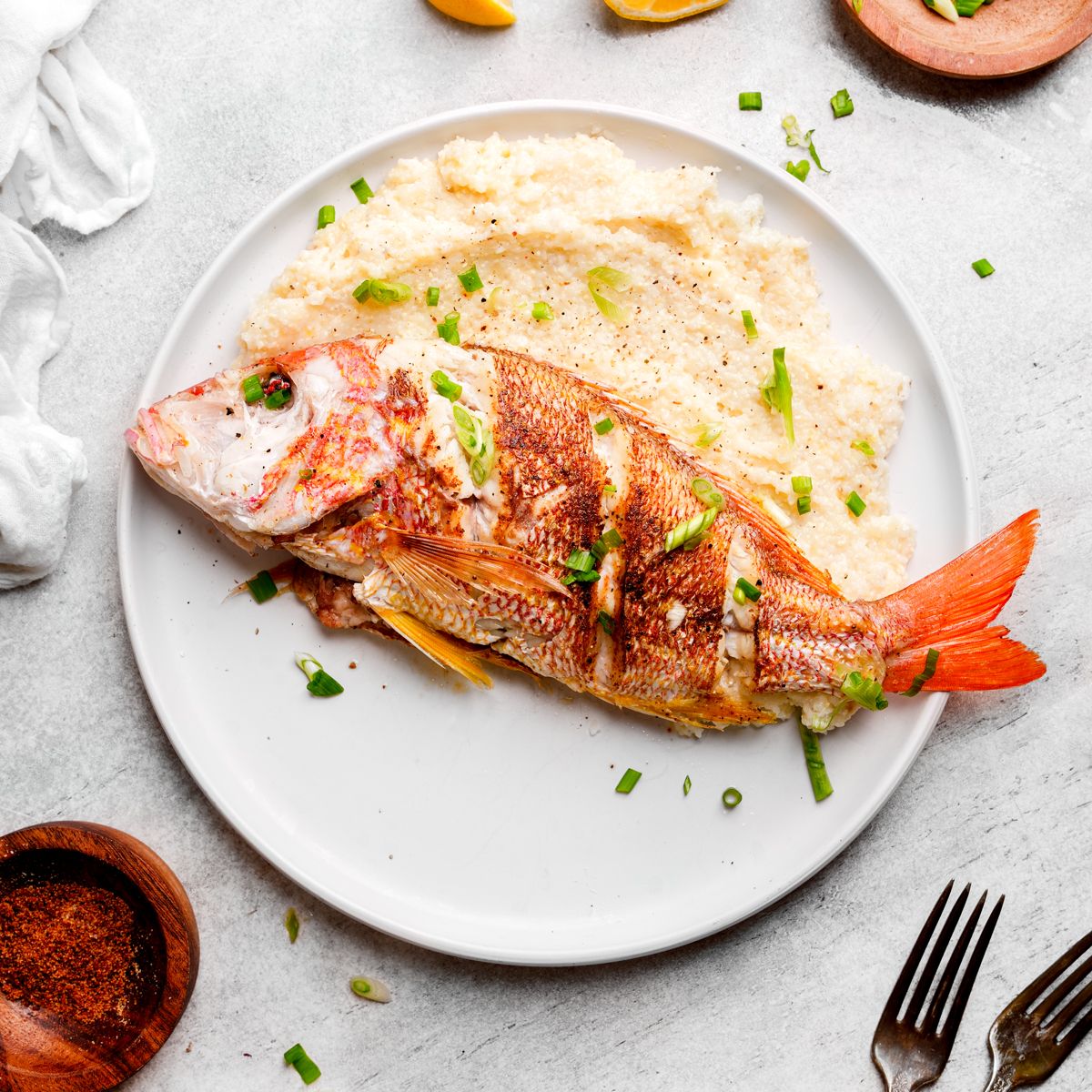
If you decide to keep any fish and are looking for a recipe, check out my Blackened Fish. If you need further guidance, take a fishing charter and get more hands-on experience. If you are looking for ways to catch other species of fish, make sure you check out my other posts. Make sure that you follow your state rules and regulations.

Comments
No Comments